Thursday, 30 April 2009

Loss of Olympic legacy chief a blow for east London


The news today that Tom Russell has parted ways with the London Development Agency’s London 2012 Olympic legacy team is cause for consternation. Russell has been a real champion for regeneration and achieved great success with the Commonwealth Games-led regeneration of East Manchester. Since starting out with the London Development Agency in January 2008 he has brought forward the legacy masterplan, fostered partnership working between the five host boroughs, and established a new urban regeneration company to take on the legacy plan. Many expected that he would remain involved, perhaps as chief executive of the URC, the same position he held in East Manchester.

But this morning the LDA has said his work is done. In an odd press release, they announced that Tom had decided to “pass the baton” to the URC, which takes over the legacy tomorrow. But it did not clearly state that he had resigned. Indeed when questioned an LDA spokeswoman would not say whether he had resigned or whether he had been dismissed, reiterating only that he was “passing the baton”, the phraseology of track and field, not employment law.

Russell has in the past questioned whether the main Olympic stadium should retain an athletics track after the games. That commitment on Lord Coe’s part – some say driven by his own desire to one day head up the International Olympic Committee – meant that legacy plans for the stadium have been hamstrung from day one because no “big ticket” user, as Russell put it, such as a football club, wants a stadium that has an athletics track separating the crowd from the action. Russell was right to raise this as an issue and the Mayor would have done well to heed his warning: more than likely without a major tenant the stadium will not be able to pay its own way. Certainly, track and field is unlikely to keep it going: athletics is not a major spectator sport in England and probably never will be.

Russell had great ambitions for Olympic Park. Since taking on the job, he has been clear that the International Broadcast Centre and the Main Press Centre – the IBC/MPC – which will house the press during the games, was the key Olympic legacy project. Earmarked as a media business hub after the games and potentially creating up to 10,000 jobs, Russell maintained that it was the media centre that would catalyse the regeneration of the area and make it the successful place he was hoping to create. Hence the vigorous behind the scenes negotiations between the LDA and the Olympic Delivery Authority, as budgetary constraints forced the ODA to scale down and cut back the quality of the IBC/MPC. It is unlikely that design watchdog Cabe's verdict on the media centre this week – that it showed a “paucity of imagination” and exhibited an “extraordinary banality” – pleased Russell.

No doubt the story of his exit will soon emerge. But for now its fair to say that with Russell’s departure the promise of a real regeneration legacy for East London has suffered another blow. Working within tough constraints, Tom Russell was one of the good guys.

Wednesday, 29 April 2009

Employment plan

More details emerged yesterday on the Government's new flagship employment programme for young adults. The scheme, announced in the budget, puts up a £1.2 billion pot for councils, voluntary organisations and other bodies to create jobs and training opportunities for 18-24 year olds who have been unemployed for 12 months.

The Future Jobs Trust, as it is called, forms a key part of the Government's new pledge to guarantee every 18-24 year old a paid job or training place from January 2010. In the budget the chancellor said the 150,000 jobs would be "socially useful", without clearly defining what that would mean. Today ministers suggested that sports coaching, crime prevention, tourism and working with children could be good examples of the kind of jobs to be created. All good wholesome stuff.

But the danger is that the programmes created, which must last at least six months, will fail to provide young adults with skills that actually prove to be useful in the real labour market. Haing worked for six months as a sport instructor, will there then be jobs in the labour market in that field?

This was the problem with the eighties community work programmes. People were put to work doing useful tasks in their communities, such as cutting grass verges, only to find at the end of it they were infact a step further away from the labour market. This mistake cannot be repeated again.

The programme must focus on skills that will be needed in the economy of the future ­ on skills where there is a forecast shortage. The obvious area is construction. More than half those working in the construction industry are over the age of 55, meaning there will be a massive shortage of skilled workers in the near future. When that is combined with the need to meet carbon goals the answer, surely is to focus this new scheme on green building on greening and modernising the public estate.

Get out of work construction workers over the age of 50 running the scheme, and teaching young unemployed the skills the industry needs, such as fitting solar panels, and improving energy efficiency. That is a sustainable jobs programme. But there was little mention of the green economy, so hyped in last week's budget, by ministers yesterday. Let's hope the start talking about it ­ and acting on it soon. Because the last thing young unemployed adults need is to be put into dead-end programmes.

Tuesday, 28 April 2009

London's Velib vision

Plans for a bike hire scheme here in London moved a step closer this week. Mayoral agency Transport for London has begun to apply for planning permission for the 400 docking stations, where people will be able to pick up and drop off bikes around central London. From 2010, the scheme should be open, with around 6,000 bikes in central locations.

TfL has decided to push on with the initative, despite reports earlier this year that the project it is based on - the Paris Velib scheme - has run into significant problems. It February, it was reported that more than half of the scheme's original fleet of 15,000 bicycles have disappeared, presumed stolen. Videos have even appeared on YouTube, showing riders testing the distinctive bikes on BMX courses in a craze known as "Velib extreme" (see below).


Despite the problems with the Paris scheme, the idea remains a good one. Let's hope that those in charge of the London project have taken the opportunity to learn from what went wrong in the French capital.

Monday, 27 April 2009

London loads up on Sugar


Such is the public and media appeal of the London mayoral race that Boris has barely had the chance to oil the wheels on his commuter bicycle before the gossip begins about who may oppose him in 2012. The mayoral race that year holds a special prize for the winner: being mayor at the Olympic Games. 

Tonight's Evening Standard has a poll saying that if Sir Alan Sugar stood against Boris, he would beat the flaxen-haired Tory by 40 per cent to 32. The poll is slightly misleading, as it assumes that Sugar would stand as an independent – not beyond the realms of possibility – when an embryo proposal suggests he is being wooed as the Labour candidate

Still, party ID might not matter that much by 2012, and a Labour ID (as hard as it may seem today) may even help. London is usually a fairly Labour-friendly place, and by then David Cameron's Tories are likely to be in Number 10, and London often likes to vote against the incumbent national government. 

So let's assume the figures are robust and Sugar has a real chance of winning London, whether he stands as an independent or for Labour, of whom he is a supporter and a donor. Can he really win? My spidey-sense says Yes. 

Thanks to the hit TV show the Apprentice, he is a bigger name now than when he launched eighties supercomputer the Amstrad CPC464 (pictured). And Sugar has the right credentials – born the son of the tailor in Hackney, he is a man self made by hard graft. In the YouGov poll, working class voters favour Suralan over Boris by a large margin. And he's seen by the public as a no-nonsense figure who gets things done. I can see why he has public appeal. 

But would he be a good mayor? For what it's worth, I have my doubts. I suspect that, while I'm sure he has his mellower moments, Suralan is not too far from his TV persona. In short, he's a bully-boy. It's hard to run City Hall by just bulldozing through, it requires collegiate working. I'm not sure Sugar has the time or the inclination for such niceties. But that doesn't mean he won't win. 

Boris Johnson has pleased many and offended few since arriving as mayor with his sunny disposition and cross-party appeal. But so far he has lacked any big vision or ideas. He will be afraid that Sugar may one day say to him: "Boris, you're fired."

Friday, 24 April 2009

A break in the clouds

I reckon it's worth counting back at the end of an extraordinary week in public policy, which reached its peak with the Budget, which ensured a fun-filled evening for many of my fellow journalists and a whole bunch of economists calculating the extend of the national debt. A brief flick through the papers tell us that it's about £23,000 for every person in the UK, but the figure varies depending on which paper you read – or at least believe. 

The large debt must be a concern – after all at some point we are going to have to pay it back. It is stating the obvious to point out that this can be done in a number of ways of course, either by raising taxation, cutting public services, or allowing the growth in spending on services to fall behind the growth in the economy, whenever that may come about. The latest numbers make grim reading, so it could be a while yet. 

Regen.net readers might worry that regeneration and economic development might become victims under this government or the next, simply because it is easier for a government to make cuts to such areas than it is to the the NHS or education, the two areas which are, perfectly reasonably it might be said, seen as the most important in the public's eyes. As Regeneration & Renewal will report on Monday, DCLG alone has been asked to find £100 million in so-called efficiency savings, a phrase whose meaning is sometimes inferred by many in the public sector to mean as collateral damage does to civilians in a warzone. 

So reasons to be cheerful? Well, as one tabloid pointed out, at least it is sunny. Economic confidence has improved sharply, according to the pollster Mori, perhaps due to a growing feeling that we are approaching the bottom of this slump. Retail sales are up year on year. And, the Footsie – far from a perfect science admittedly – is going to finish the week well up. And, for the next few hours at least, it is Friday, so have a good weekend and we'll be back on Monday for more. 

Thursday, 23 April 2009

Left to rot

I spent a happy afternoon yesterday inspecting the Monastery in Gorton Manchester. It's a wonderful building and has been lovingly restored to its former glory by a development trust headed by Elaine Griffiths. However, the fact that it required such extensive at all is depressing.

The monastery was abandoned by Franciscan monks back in 1989, after which the Catholic church sold the building to a property developer. The developer drew up plans to convert main church in seven storeys of flats, which would have caused huge damage to the building's fabric had the company not promptly gone bust. Ownership passed to the developer's creditors, which took minimal action to protect the monastery from vandals. Inevitably, the place was ripped apart. When Elaine visited with her husband – a former chorister – the monastery was little more than a shell.

But perhaps what is most shocking is that it is nearly impossible to imagine such a historic building from falling into a state of such decrepitude if it was located in Mayfair or in Edinburgh's New Town. The fact is that the monastery is located slap bang in the middle of a deprived east Manchester housing estate; off the beaten track, yes, but hardly inaccessible. It seems that it had been rather a long time since English Heritage had paid a visit. 

Wednesday, 22 April 2009

Warland – the new Leeds/Manchester border town

You couldn't make it up. The hamlet that sits slap bang on the new boundary between the Leeds and Manchester city regions, which are to be announced in today's budget is called Warland. Before 1974, it was the watershed between Lancashire and Yorkshire. From today, it will host the boundary between the two Pennine giants' official hinterlands. 

As far as we can make out, the chap on the boat is in what will from this lunchtime be Greater Leeds designate, just about to chug into Greater Manchester. The border is marked by the stone post next to the canalside. The boundary between the Metropolitan Boroughs of Calderdale and Rochdale riddles its way through Warland and has already caused some bizarre border disputes such as the one described in the second paragraph of this article involving an outside toilet. 

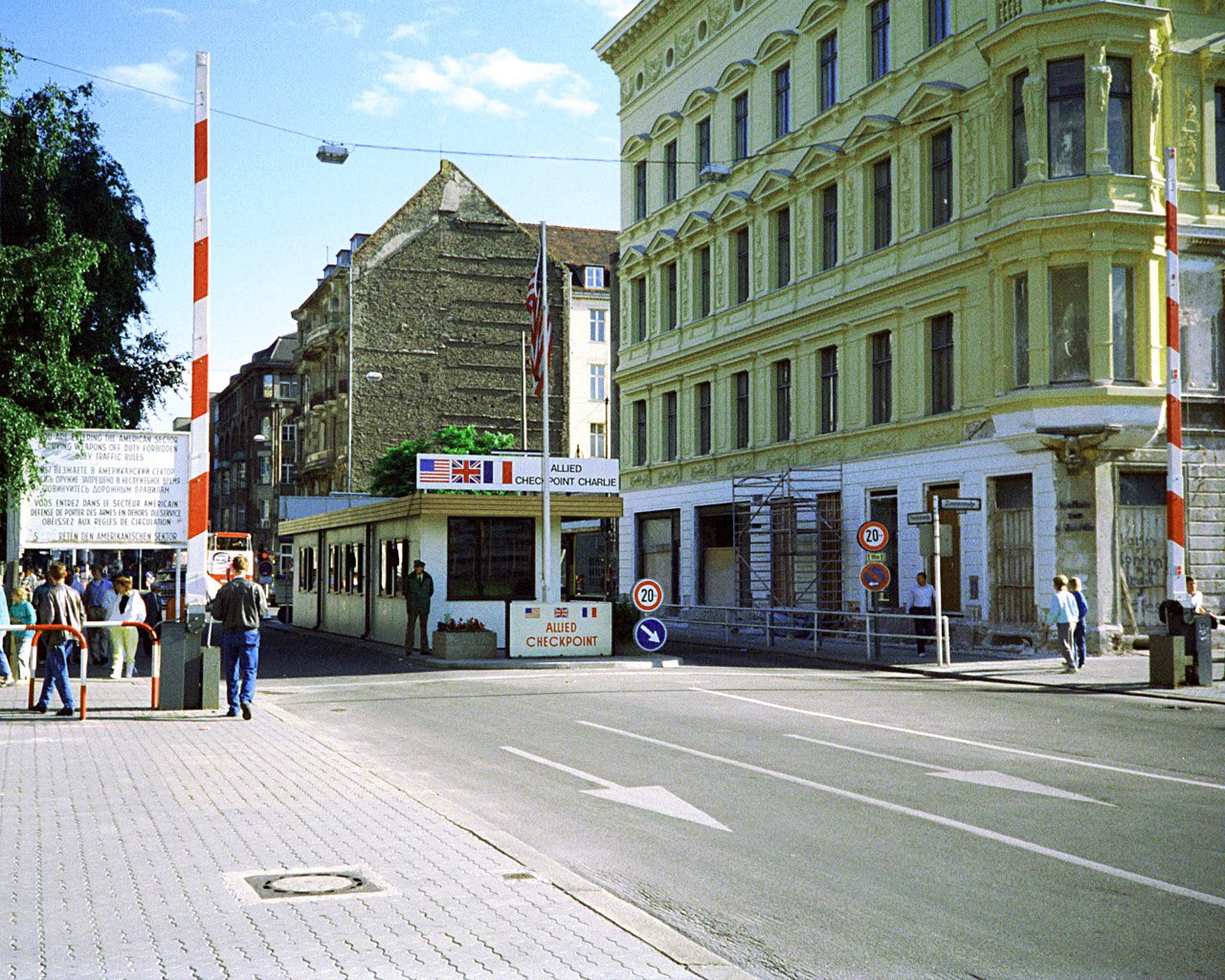
Sadly, I haven't had chance to speak to the locals about what they think about living on the new frontier. I suspect that, at this early stage, its new status as a Pennine Checkpoint Charlie is unlikely to be the topic of conversation at the Bird In The Hand


Budget 9am update: Manchester confirmed as statutory city region

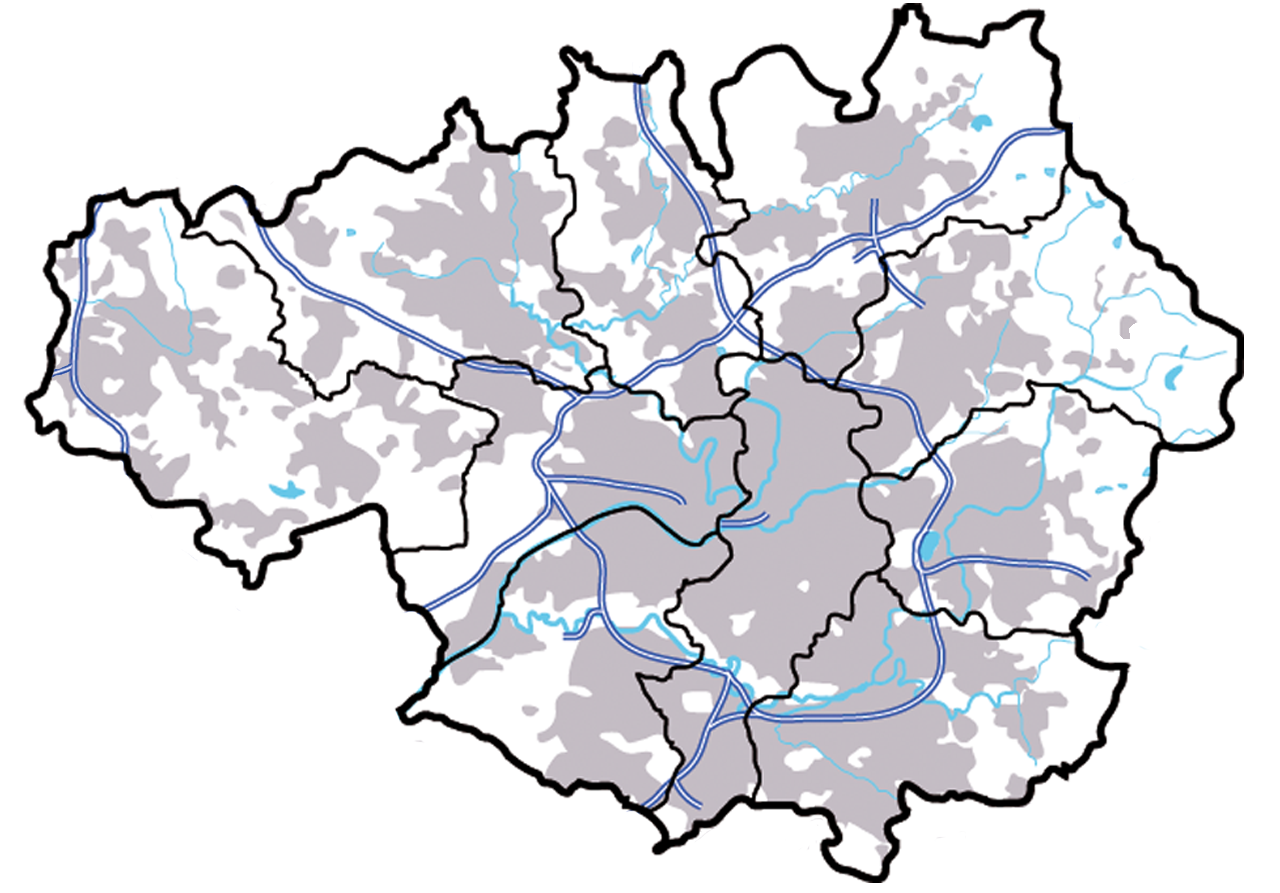
9am update: I've just had Manchester confirmed as one of the new statutory city regions to be announced in this lunchtime's budget. I understand that the ten boroughs comprising Greater Manchester will join Leeds as one of the Government's newly approved formal city regions. New powers and freedoms over housing, regeneration and possibly transport spend are promised but these are expected to require primary legislation. As one blogger pointed out yesterday, Manchester and Leeds now share a boundary– or at least will do once the legislation goes through. We've found a border town – I'll be blogging about it shortly.

Tuesday, 21 April 2009

Blog exclusive: Leeds confirmed as statutory city region

We've just got a great exclusive here on the Regeneration & Renewal blog: I understand that Leeds has been confirmed as one of the statutory city-regions in tomorrow's budget.

Our story earlier expanded on a tip by the Manchester Evening News' political editor David Ottewell that the Yorkshire giant was likely to appear in the Budget. I have had an update in the past few minutes and understand that the rumours are true – Leeds will be one of the statutory city regions in tomorrow's announcement by the Chancellor.

Manchester is almost certain to join it. Having Leeds and Manchester leading the city-region charge may give the movement a bit of a fillip, and will make other big conurbations think seriously about joining the party.

Here's our map of all the cities applying to Government for statutory city-region status. If successful they will gain new controls over portfolios such as housing, regeneration and transport.

Remember to log into the Regen.net tomorrow lunchtime for my live blog on Budget 2009. I'll be getting regular comments from a team of experts and posting them up as they come in.

Leeds tipped as surprise statutory city-region

There's plenty more budget rumours around today – one of the most interesting being one from David Ottewell that Leeds is in line for winning official city region status tomorrow.

Ottewell, a senior journalist on the Manchester Evening News, takes a keen interest in urban policy issues, is well connected and deserves to be listened to.

Ottewell's tip-off that his home town of Manchester is due for city region status will surprise no-one, but the news that its arch-rival, neighbouring city region of Leeds is to be included is more newsworthy, but seems intuitively correct. Not only will having the two Pennine giants in the package give the announcement weight, the inclusion of Leeds seems to support Regeneration & Renewal magazine's research and subsequent contention that big cities are ahead in the race for new powers.

The rumours keep on coming. The Guardian splashes on the fact that the Chancellor is planning a new fund to build council houses and restart work on stalled projects. Regeneration and housing could better than expected out of this one, but we shall see. I'll be live blogging on the budget tomorrow, and publishing comments from our team of experts as they come in. See you then.

Monday, 20 April 2009

Regeneration Street View snap shots #8 Oxford Circus

The introduction of a Tokyo-style diagonal pedestrian crossing at London's Oxford Circus was announced last week.

The topic raised a lively debate on this blog, which pretty much says all that's needed to be said about the project.

But the traffic chaos evident on Google's Street View tool tells its own story. Or rather, raises its own questions, such as:
  • Why is a large lorry allowed to fume-up one of the world's busiest shopping streets?
  • Why is that double-decker bus perpendicular to the road and seemingly blocking all traffic?
  • And, did this genteel looking cyclist survive crossing the junction?
Zoom by double clicking and press the arrows to move around the bedlam for yourself.


View Larger Map

Budget rumours

It's Alistair Darling's Budget report on Wednesday. The Conservative Party says that the report represents a "day of reckoning" amid the worst economic crisis for decades.

The weekend newspapers were full of stories predicting of the likely contents of the Budget. Today, the Daily Mail and the Sun carried front page stories predicting that Darling will declare the recession will be over by Christmas. Here are some key announcements to look out for when the chancellor stands up in front of MPs on Wednesday afternoon:
We will be posting a live blog on Wednesday afternoon with news and reaction from the Budget.

Friday, 17 April 2009

Regeneration Steet View snapshots #7: Elephant & Castle

The refurbishment of this south London traffic interchange has been beset by delays and other wrangling.

When completed, the Elephant & Castle scheme will include 5,300 new homes and 120,000 sq metres of retail and commercial space.

Click and zoom and move around the project by clicking on the arrows.


View Larger Map

Thursday, 16 April 2009

The Kiwis are about to teach us a lesson on city regions


Some of you may remember I blogged a few weeks ago about a recommendation by a Royal Commission in New Zealand to create a directly-elected city regional mayor for Auckland. Perhaps it was a world-weariness brought about by endless bickering here in England over similar plans, but I ended my piece suggesting the plan would get hopelessly watered-down. 

Mea culpa – it seems I wrote too soon. Save for a controversial tweak that will deprive Maori of three guaranteed seats on the new mayoral super council, the NZ Government has pledged to push through the plans for a super mayor. It has also warned vested interested in local government – Auckland metro currently has seven district mayors who will lose their jobs – to refrain from moaning. "We're open to the engagement but what we don't want to hear is particular self-interested groups talking about it," NZ local government minister Rodney Hide has warned. Well said. 

I wonder if Mr Hide, a member of NZ's new centre-right governing coalition, knows that's exactly what we've been doing here for the last seven years – talking about it. Only London – already the biggest and most powerful city by far in England – has a proper city-regional government. The plethora of independent boroughs in Greater Manchester, Birmingham and others resist meaningful change, with existing councillors seemingly being given a veto over any alteration that will reduce their power. 

Sometimes governments need to use a strong hand. Indeed, many would argue that's what governments are for. What's the betting that Auckland will have had a mayor up, running and helping integrate the city region promptly, while politicians in Manchester continue to bicker? The Kiwis are about to teach the old country a lesson. 

Wednesday, 15 April 2009

Car scrappage rumours

Owners of old cars will have a spring in their step this week. Over the Easter weekend, the BBC reported that the Government is “likely” to use the April 22 Budget to give them a subsidy of about £2000 to trade in their old cars for a new one.

The intention is to give the car industry a recession-countering lift, and at the same time reduce carbon dioxide emissions by getting gas-guzzling old vehicles off the road.

But does the idea really make sense as an economic development measure? Expert opinion differs, as I found when I spoke to a variety of prominent economic development figures last week.

Chris Green, chief executive of the consultancy SQW, helped devise the economic restructuring plan required by the closure of MG Rover at Longbridge in 2005. He believes that a contraction in the British car industry was inevitable, even if there had been no recession. “The industry is producing better and better cars that last longer and longer, but expecting people to scrap them more frequently,” he says, arguing that such a model was always unsustainable in the long term.

Trying to further prolong this artificial bubble of demand would be a mistake, he says. “The Government’s role should be to support research and development into more energy-efficient cars, rather than provide a short-term demand stimulus”.

Richard Ellis, chair of the East of England Development Agency, and current chair of chairs of the regional development agencies, agrees that the Government should be supporting the development of low carbon automotive technology. He would also like to see further fiscal incentives to encourage individuals to make greener choices in their day-to-day living. His big idea for prompting economic recovery is to send teams offering home energy efficiency improvements down every street in the country.

But he would also support the introduction of a scrappage scheme, as long as it was part of a package including other green measures. “Looked at in the round, it’s probably not a high cost scheme,” he says.

The Society of Motor Manufacturers and Traders claims that VAT receipts generated by increased sales would mean that it would cost £150-£160 million to allow 280,000 Britons to have a £2000 subsidy to replace an old car with a new, greener model. Not exactly small change, but not a huge price in the context of some of the Prime Minister’s other recession-fighting initiatives.

Last week the Government was being studiously non-committal about whether it would emulate its equivalents in all the other big Western European countries and introduce such a scheme. A spokeswoman for the Business, Enterprise and Regulatory Reform department rehearsed several arguments against adoption, including the fact that 80 per cent of new cars bought in the UK are imported.

But she also pointed out that nearly a million people in the UK are employed in selling, maintaining and manufacturing cars, making the industry highly important to the economy.
Personally, as I explained in the leader column in this week’s issue of Regeneration & Renewal, I think there would be better ways of stimulating the motor industry than the scrappage scheme. But if the BBC’s sources are correct, it will be ushered in the Budget, and much-loved old Jags and Rovers around the country will soon be heading to the knacker’s yard.

Tuesday, 14 April 2009

Regeneration Street View snapshots #6: Trinity Quarter, Leeds

The developer of this 93,000 sq metre retail-led development announced last week that it has stalled due to the recession.

The hoardings on the Street View panel hint at the aesthetic problems this may cause for Leeds.

However, the picture below, taken from the development's live webcam, really shows the huge scar on the city centre that will be left until the development gets moving again.

Sources assure us that a plan is under development to render the vacant site less unattractive. Let's hope so.


View Larger Map


Forget Tokyo: It's time to rid Oxford Circus of traffic

Oxford Street is set for a taste of Tokyo. Oxford Circus, the intersection between London's most famous shopping street and the elegant Regent Street, is to be reworked. Under the plans, traffic approaching the crossroads from all four directions will be halted simultaneously at red lights, allowing pedestrians to cross diagonally as well as straight ahead en masse. The scheme, modelled on the Shibuya crossing in the Japanese capital, will also see much of the ugly street clutter and barriers that blight Oxford Circus removed.


That may help, but it won't help enough. Inexplicably – certainly to Londoners, many of whom try their best to avoid it – Oxford Circus is among the world's top destinations, getting 200 million visitors a year. For visitors from smaller countries, the concentration of so many big retail brands in a long, wide thoroughfare may command awe, briefly, but it doesn't take much more than a second glance to see that London's shopping heartland is something approaching a national disgrace. Londoners may know there are plenty of better areas to spend a Saturday shopping in the capital, many visitors don't.

Blessed with a grand boulevard and fine buildings, Oxford Street has managed to fashion a sow's ear from a silk purse. The pavements are way too narrow to accommodate the throng of confused tourists and exasperated locals that blend awkwardly in the area. Shabby transitory retailers pollute the Tottenham Court Road end of the street. There is clutter everywhere – poor signage, ugly street furniture and unlicensed advertisements for such delights as the never-ending golf sale. But the area's fundamental problem is its traffic.

In spite of being closed to general traffic, Oxford Street is plagued by motor vehicles. These are chiefly buses moving at a snail's pace in a noisy, smelly, grumbling thin red lines; plus a few cabs with frustrated drivers and the odd lost boy-racer in a sports car. The air quality and environment is unpleasant – even crossing the road can be an ordeal.

A few pilot traffic-free days run by the New West End Company have been hits with shoppers, so the question is, instead of messing about with Tokyo-style pedestrian crossings, why not abolish traffic in Oxford Street completely and open up the street to pedestrians? Some people will moan that they can no longer catch their bus from outside, say, John Lewis, but this is a price worth paying. A clever programme of re-routing would do the trick, and people would get used to it.

Many of the world's best shopping areas are pedestrianised – including many in London itself, such as Covent Garden. It seems ludicrous that its biggest draw is relegated to monumental embarrassment by the smoke and choke of jammed-up traffic.

Thursday, 9 April 2009

The Baroness with the big job

All jobs are not created equal. The big appointments story of the week was that of Baroness Ford being hired as the boss of the Olympics legacy company, which is responsible for ensuring that east London continues to benefit from the 2012 Olympic Games long after the cheering has quietened. 

That's the biggest and hardest job in the entire Olympics portfolio. The cost overruns at Wembley and the fiasco of Pickett's Lock may suggest otherwise but, relative to creating a lasting legacy, it is easy to build a few facilities, especially when you have a powerful planning vehicle at your side in the shape of the Olympic Delivery Authority. Making good use of them after the games is a different matter. 

I've no doubt that, for example, the velodrome and pool will be enjoyed by Londoners. But the big ticket items pose a much bigger problem for Margaret Ford. The Olympics organisers have already made a strategic blunder by failing to find a viable long-term use for the main stadium. The solution was simple and worked well in Manchester after the Commonwealth Games – tear up the track and use the ground for a popular team sport.

West Ham United would have been an obvious tenant, although I was compelled by an eye-catching idea to turn the stadium into an MCG-style arena that could actually meet demand and keep prices down during major tournaments or tours such as when Australia come to town for the Ashes series.

As it is, Ford finds herself hamstrung by the insistence of an obsessive IOC that the stadium be used for athletics, a minority spectator sport in England, which commands tiny gates in comparison to our true loves of football, cricket and rugby. 

It doesn't end there. I shan't spoil the surprise, but Regeneration & Renewal has a story on Tuesday that another key element of the Olympics legacy is under threat. All in all it adds up to one daunting in-tray for the former English Partnerships chair.

There is one positive though: Ford herself. The Scot is known for her ability to get things done and keep a cool head and genial manner. London could really benefit from the games, but some of the poor early decisions may have to be unpicked for it to do so. Should she deem that necessary, I'd warn anyone against getting in her way. 

Happy Easter. 

Wednesday, 8 April 2009

Taking stock

The Conservatives have published their housing green paper to mixed reaction. Some points make good sense and have been welcomed by practitioners – enabling housing associations to use public funds to bring empty homes back into use, for example.

In his introduction to the paper, David Cameron highlights Thatcher’s infamous Right-to-Buy policy which he praises for giving millions of families the opportunity to build up their own assets. But many practitioners believe the policy is responsible for underpinning today’s housing crisis by vastly reducing the pool of social homes available. Even now, thirty years after the policy was introduced, the effects are still being felt; the stock of affordable homes fell by 300,000 between 1999 and 2007 leading the National Housing Federation to call last year for a temporary ban on Right-to-Buy.

If the Tories really want to provide everyone with a high quality home of their own then that means getting the bulldozers out and building new homes. The green paper acknowledges that more homes must be built but this goal seems at odds with the party’s push for a bottom-up approach to planning. The Tories want communities to take the lead on housebuilding - under a Tory government residents in villages and towns would be given new powers to approve local housing developments - but housebuilders are rightly questioning whether this approach will actually lead to an increase in the number of homes built given the power it will confer on that British stalwart, the Nimby.

The national focus over falling property prices distorts the fact that Britain still faces a housing shortage. Developers may be downing tools and luxury flats lie empty as the credit crunch bites but overcrowding, homelessness and housing waiting lists are all on the increase. Handing the baton to local communities may please the Telegraph reader but it is unlikely to make much progress in resolving these problems.

Regeneration Street View snap shots #5 Chelsea Barracks

The redevelopment of the former south west London military base has this week been caught in the middle of a war of words involving royalty, a deputy mayor and Cabe.

Zoom and click to have a look at the site yourself


View Larger Map

Tuesday, 7 April 2009

Messing about with the river


I greeted Boris's announcement about exploiting the potential of the Thames for transport with a mixture of glee and frustration. What is certainly true is that London's magnificent river is underused as a thoroughfare – as are many of its sisters in our other great riverside cities such as Newcastle and Liverpool. 

But if Boris is serious about using the Thames, he needs to think more creatively about what to do with it. The measures announced this week, such as allowing Oyster to be used on the existing Thames Clipper riverboat services, are of course welcome. But Boris's brisk jolly sea captain routine has already been slightly undermined by his own transport adviser Kulveer Ranger, who tells next week's Regeneration & Renewal that riverboats will never be able to to ease the pressure on the tube or bus networks. Hardly the splash the mayor wanted. 

My most memorable boat journey was from Putney Bridge to Greenwich on a speedboat. It took 25 minutes. Only a helicopter could beat that: the journey takes around 50 minutes by public transport. Clearly no-one is suggesting an armada of Transport for London speedboats be added to London's transit fleet, but we can do better than simply making the clippers cheaper and easier to use. 

The Thames is a vast, wide, watery motorway with little traffic. It is a wasted resource. Yet London's record of installing regular, quick services with a sufficient number of stops is dismal. The Greater London Authority has an opportunity here : what a pity Mr Ranger has poured water on any ambition his mayor may have. 

What are your ideas for river transit in London and our other big riverside cities? Post your comments below and let me know. 

Monday, 6 April 2009

Row in a library

Whether it’s the unveiling of plans for a controversial egg-shaped building in Coventry, or the opening of the largest UK facility in Birmingham, libraries seem to be big news.

The two midlands cities have their plans for the big and the bizarre, but arguably events in the Liverpool area over the weekend are even more interesting.

In a dramatic turn, the closure of 11 libraries in the Wirral was halted on Saturday after culture secretary Andy Burnham stepped in at the 11th hour.

On the very day one of the branches was due to close, Burnham ordered a local inquiry, which questions whether the closures go against Wirral Council’s statutory duty to provide all residents with a comprehensive public library service.

Esther McVey, Wirall West Conservative candidate, was there on Saturday and says that the area outside the library was heaving with protestors. And with 60,000 residents petitioning against the closures (which amounts for more than the number of people who voted in the local elections) libraries are clearly an issue that are close to the community’s heart.

But from the experience of the Wirral, just having public support is clearly not enough. Wirral council claimed that the decision to close the libraries was an economic one, but with so many people relying on the library services, including many disadvantaged groups, it is clear that the issue of library funding needs to be addressed.

In order to attract more funding, libraries have to be used, and in some cases that will mean changing the services they provide. Will this prompt libraries to move away from their traditional services to a more money-orientated approach? We await the next chapter in the saga.  

Posted by Susie Sell 

Friday, 3 April 2009

Country sliced

A trip out to Dursley in Gloucestershire this week provided a salutary reminder of just how poor public transport can be in rural areas – and how vital it is that we improve the situation if we take economic development outside large town cities at all seriously.

The train from London pulled into Bristol Parkway where I hopped across the platform (not literally) to board the Birmingham train, which deposited me 20 minutes later at Cam & Dursley station. Then the fun began. It turns out that Cam & Dursley station is in the middle of a field. Really. I could smell manure. It's also over two miles away from Dursley itself. 

I found a bus stop and discovered that the connecting bus service is conveniently timed to arrive one minute after the arrival of the hourly train service. Unfortunately, whoever drew up the timetable was seemingly unaware of the existence of my 1115 train. I'd have been okay had I arrived at 1015 or 1215.  As it was, I started walking. It sounds pathetic, but after a 45 minute hike along the side of a busy road in inappropriate shoes, I was cursing all things rural. 

I admit that the sweaty adventures of a metropolitan hack aren't going to do much to tug the heart strings of many readers. But there is a serious point. Recent years have seen the last of Dursley's manufacturing companies go to the wall, with little new industry coming in to provide vital new jobs. The obvious thing to do would be to commute to Bristol to find alternative employment, but without a car that's not a serious option. On my homewards journey I asked at the bus station in Dursley about the service to the station and nobody could provide me with any information. In the end I ended up getting on a different service which got me at least vaguely near my destination. I also learned that if I had wanted to take a bus to Bristol instead, the journey would have taken an hour and a half.

If the jobs aren't going to come to Dursley, Dursley needs to go to the jobs. Unfortunately, the public transport system just isn't fit for purpose. 

Boris's bargain bus

During the downturn, any measures to ease the financial pain and curb the rising tide of unemployment are always welcome.

It is hard for people to come off benefits and get back into work when job hunting proves to be a costly exercise.

That's why mayor of London Boris Johnson's decision to offer thousands of unemployed Londoners half-price bus and tram travel is welcome. 

Cheaper travel to interviews, job centres, amenities and access libraries should go some way to make it easier for people to find work again. 

If only leaders in other cities could install such measures as a response to the recession. But sadly, outside London, the bus system is deregulated – so bus companies who are their own boss prefer to clog up the most profitable routes while starving more marginal areas of services. 

Thursday, 2 April 2009

Fleeting joy?

There's a rare air of hope in the balmy early spring air this morning as the FTSE clambered to beyond the 4,000 point mark for the first time in five weeks. The gains in the City came on the back of jumps overnight in Wall Street and Asia – thanks in part to better than expected manufacturing data in the US – and a surprise rise in house prices here in the UK. 

The house price news was particularly good for housebuilders' shares – Taylor Wimpey was the the leading stock of the FTSE 250 of middle-ranking companies: its shares rose 21 per cent. Barratt and Persimmon also climbed by just under 8 per cent apiece. 

So is this the first curve of a bend on the long corner we have to turn? Probably not. But, who knows, it could be. Anyway, as all joy is but fleeting, perhaps we'd all be advised to enjoy the mini-bounce while it lasts. 

Wednesday, 1 April 2009

Regeneration Street View snapshots #4: The Aylesbury Estate, south London

In line for a massive regeneration project that when finished should provide around 5,000 homes. This huge estate in the London Borough of Southwark is well worth a Street View visit.


View Larger Map

R&R National Conference #3

Yesterday afternoon saw a well-received presentation from Todd Hannula, chief executive of Leeds-based social enterprise consultancy the Camberwell Project.

He had a tough task, speaking immediately after an emotional presentation on gang crime by the Reverend Nims Obunge, chief executive of charity the Peace Alliance. “Asset transfer seems so meaningless compared to that stuff,” Hannula mused.

During his speech, Hannula hit out at the label “community enterprise”. Community enterprises are businesses, he said, and therefore should be called “community businesses”. “It’s not Star Trek,” he told delegates.

Later, Stephen Boyle, chief regeneration officer at Leeds City Council, was questioned by delegates after revealing that the council had taken a “hit on receipts” due to selling some of its assets to community enterprises – or community businesses – at less than market value. “We had a little windfall from the sale of Leeds-Bradford Airport,” he explained.